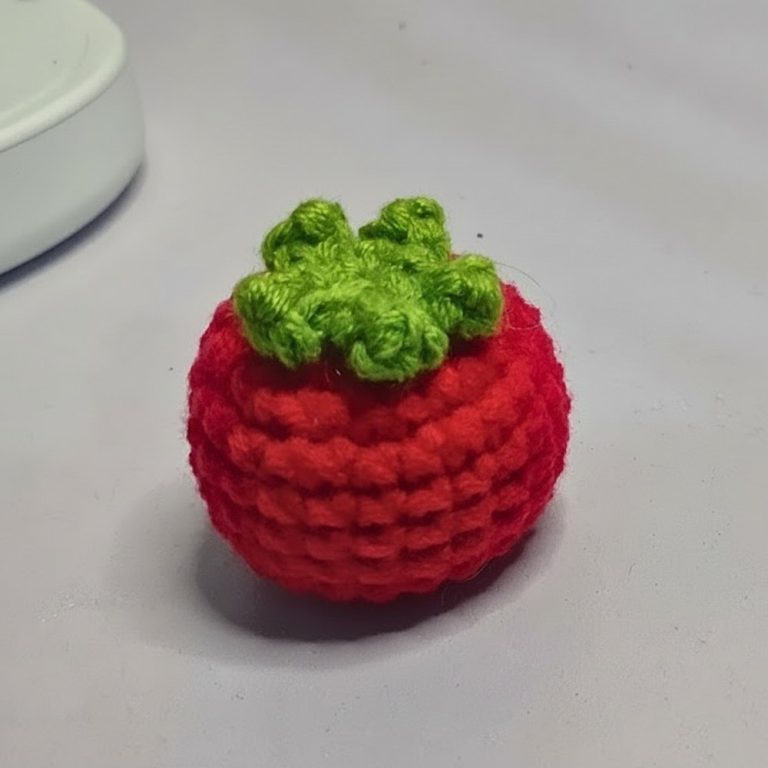
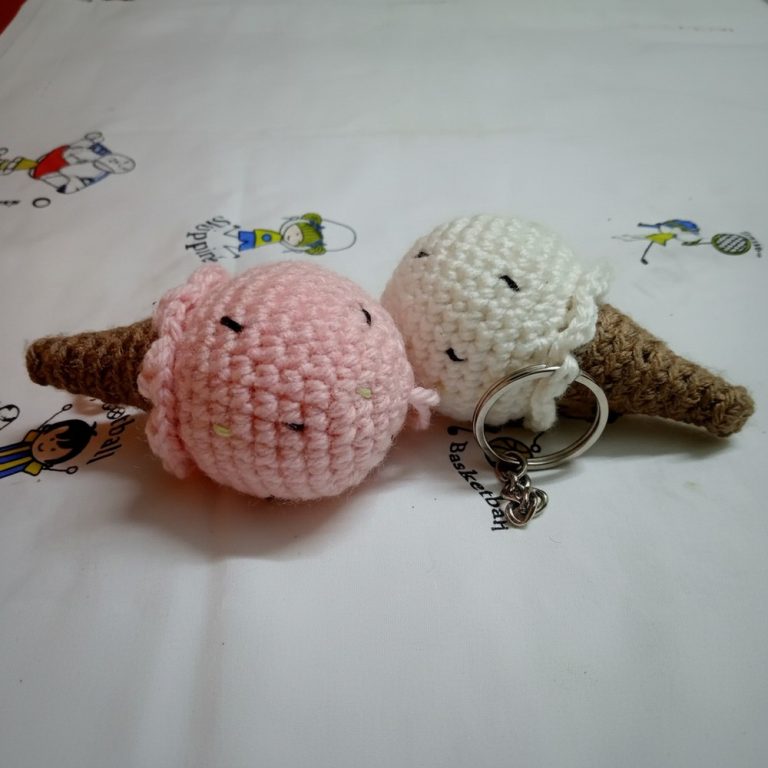
Sweeten your day with this Crochet Candy Toys Pattern that adds playful color, charming style, and delightful fun to your creations.
Delightful Crochet Candy Toys Pattern for All Ages

In a world where yarn meets imagination, this enchanting crochet creation transforms simple threads into irresistible candy-shaped toys that look good enough to eat, yet remain perfectly timeless. Whether used as nursery accents, festive ornaments, or thoughtful handmade gifts, these soft confections radiate warmth and whimsy without a trace of real sugar.
Materials and Tools
- Yarn: Two or more colors of yarn suitable for pets (durable and washable). The example uses white and purple.
- Crochet Hook: A No. 7 crochet hook is used in the video.
- Stuffing: Fiberfill/polyfill.
- Sound Element: A small squeaker or a rattle/bell to place inside the toy.
- Tools: Scissors and a tapestry/yarn needle for weaving ends and closing the ends of the candy.

A collection of charming crochet candies that combine elegance, color harmony, and tactile beauty—all without a hint of calories. Whether displayed in a decorative jar, gifted as a keepsake, or used as a whimsical play toy, these handmade treats add a touch of cozy joy and artistic flair to everyday life.
Crocheted with simplicity in mind, the pattern uses basic stitches—chain, single crochet, and slip stitch—making it both accessible for beginners and enjoyable for seasoned crocheters.

It begins with a magic ring, followed by gentle round increases to shape the candy’s form, and alternating yarn colors to create those classic swirled layers.


After lightly stuffing the center for plumpness, a neat slip stitch closure seals the sweetness. The process is soothing and rewarding, offering a mindful crocheting escape while building precision and creativity.
Project Details
- Level of Difficulty: Intermediate. While it primarily uses the Single Crochet (SC) stitch, the project involves frequent color changes, working in the back loop only (to create the striped texture), and constant shaping (decreasing one side and increasing the other). The seaming and gathering techniques require precision and familiarity with manipulating the fabric.
- Special Features:
- Interactive Design: Built to hold a squeaker or rattle for auditory stimulation.
- Shaped Strip: The main body is crocheted flat as a strip, using alternating increases and decreases to create a gently curved shape before being seamed into a tube.
- Textural Ribbing: The back loop only technique creates a subtle ribbed texture.
- Uses: Primarily a dog or pet toy. Can also be used as a cute, oversized novelty item or decoration.
Tutor’s Suggestions
- Size Customization: The tutor starts with 17 chains (16 working stitches plus one turning chain). You can increase the number of chains to create a longer, larger candy toy.
- Tension: Do not crochet the initial foundation chain too tightly; keep the stitches even and slightly loose.
- Hiding Tails: When changing colors, place the yarn tails from the old and new colors over the hook and crochet over them for the first few stitches. This neatly hides the tails inside the fabric, minimizing the need for extensive weaving later.
- Gathering: Ensure the gathering stitches (using the yarn needle) are tight and numerous to fully close the ends and prevent the stuffing or squeaker from poking out.
Step by Step Guide
The project results in a long, striped, candy-shaped toy with gathered ends, mimicking a wrapped sweet. Its primary appeal is the ability to insert a sound element (squeaker or rattle) to keep pets engaged. The design uses a unique technique of working back and forth while constantly increasing and decreasing to create a clean shape.
Conclusion
The finished crochet candy toy is a satisfying and customizable project. The combination of the striped ribbing and the ruffled ends perfectly mimics a real sweet, while the hidden squeaker ensures this toy will be a favorite for any energetic pet.
Final Tip: When working the increase/decrease rows for the main strip, always check that you are working the decreases on the same side and the increases on the opposite side. Consistency in this shaping is what ensures the strip curls correctly into a neat tube when seamed.